How to Clean Your Home with Minimal Effort? Master These 6 Core Principles to Reduce Your Housework by 80%
When it comes to cleaning, many people fall prey to a common misconception: they believe that the harder and more frequently they work, the cleaner their home will be. The result is often sheer exhaustion, yet the effects rarely last more than a couple of days.
Those who are truly savvy about housework don’t rely on sheer “effort,” but rather on “efficiency.” This article delves into the underlying logic to show you how to maintain a consistently tidy home using the fewest possible actions.
I. Core Concept: Shift from “Deep Cleaning” to “Micro-Habits”
The vast majority of people view housework through this lens: “Let it pile up all week, then tackle it all at once with a thorough deep clean on the weekend.” This approach, in itself, is the most exhausting one.
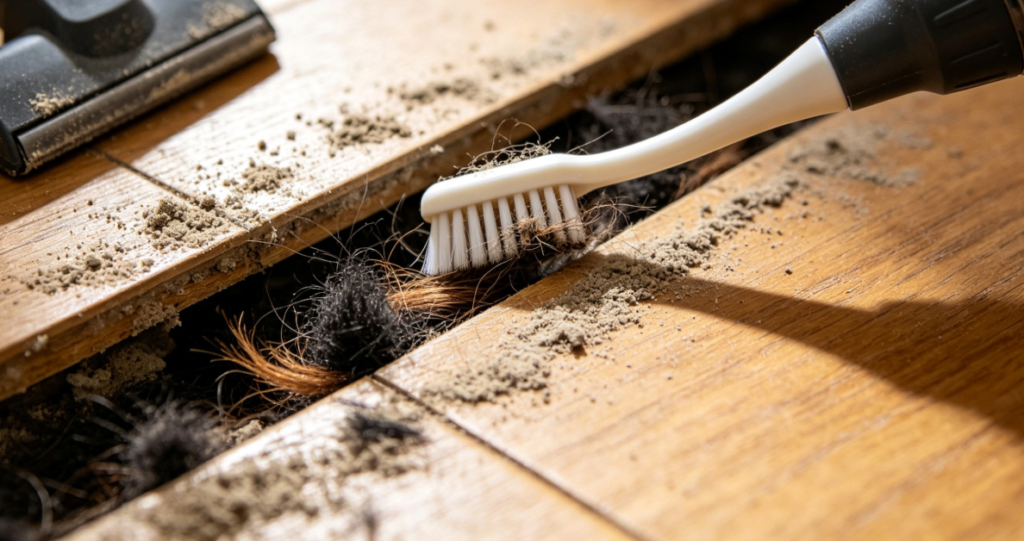
The Problem with Deep Cleaning: Dust accumulates over a week and becomes caked on; dried stains are much harder to scrub away; and spending 2–3 hours cleaning in a single session leaves you physically and mentally drained.
The “Micro-Habit” Approach: Spend just 5–10 minutes each day, tidying up immediately as you go.
Examples:
Wipe down the stovetop immediately after finishing a meal (10 seconds).
Quickly squeegee water spots off the bathroom sink right after washing your face (5 seconds).
Smooth out your duvet immediately after getting out of bed (20 seconds).
These actions are so small that they require almost no willpower, yet their crucial function is to prevent dirt and clutter from ever having the chance to “accumulate.” Once accumulation is eliminated, you will never again face that dreaded situation where you wait until the mess becomes “unbearable” before finally deciding to act.
The essence of effortless cleaning isn’t about “doing it faster,” but about “preventing the mess from forming in the first place.”
II. Principle 1: Give Every Item a “Home” to Minimize Tidying Effort
The biggest reason a home becomes cluttered isn’t a lack of diligence on your part, but rather the absence of designated spots for your belongings. You use an item, set it down wherever is convenient; the next time you need it, you have to search for it; once found, you set it down wherever is convenient again… creating an endless loop.
The Solution:
Assign a specific “home” to every category of items—and ensure that this “home” meets two key criteria:
It is located close to the point of use: For instance, the remote control’s home should be in the coffee table drawer, not at the other end of the TV cabinet.
Retrieval requires no more than two steps: You shouldn’t have to drag over a stool, open a cabinet door, and dig through to the very bottom just to grab what you need. Practical Implementation:
Entryway: Keys, face masks, utility knife for opening packages → Solved with a single small tray.
Kitchen: Frequently used seasonings → Place on a shelf next to the stove; do not stow them away inside cabinets.
Bathroom: Hair dryer, comb → Store inside the mirrored cabinet, keeping them close to the power outlet for easy access.
Once every item has a designated spot, tidying up becomes a single action—simply “putting things back”—rather than a four-step process involving “deciding where to put it → walking over → clearing space → placing it down.”
III. Principle 2: Leverage Tools—Let Them Do the Heavy Lifting for You
Humans invented tools to conserve energy, and cleaning is no exception. Here are several types of labor-saving tools worth investing in:
| Tool | Labor-Saving Benefit | Applicable Scenario |
|---|---|---|
| Cordless Vacuum Cleaner | No need to plug/unplug cords; grab and use instantly | Quick daily floor vacuuming |
| Floor Washer/Scrubber | Vacuuming + mopping completed in one step | Households with children/pets, or those with frequent wet spills/waste |
| Electrostatic Duster | Captures dust without scattering it; no wet cloth required | Furniture surfaces, TV screens, window blinds |
| Long-Handled Squeegee | Cleans glass/shower enclosures/mirrors with a single swipe | Bathrooms, windows |
| Disposable Dust Mop | Discard after use; no need to wash the mop head | Small apartments, rental properties |
| Tools NOT Recommended: |
Large Steam Mops (Heavy, require heating-up time, cumbersome cord management)
Various “Influencer-Recommended” Multi-Zone Cleaning Cloths (Paradoxically increase the work of sorting and washing the cloths themselves)
The core criterion for selecting a cleaning tool is simple: It should be ready to use the moment you pick it up, and require no time-consuming maintenance of the tool itself after use.
IV. Principle 3: Work from Top to Bottom, Dry to Wet—Avoid Rework
This is the golden rule of cleaning sequences; it ensures that a single pass is sufficient, preventing you from wasting effort by doing the same work repeatedly.

The Correct Sequence:
First, address high areas: Dust ceiling corners, cabinet tops, curtain rods, etc. Since dust falls downward, the floor should be tackled last.
Next, address surfaces: Tabletops, countertops, and furniture surfaces. First, use an electrostatic duster to remove loose dust, then wipe down with a damp cloth.
Finally, address the floor: Vacuum/sweep → Mop. A Common Mistake: Mopping the floor before wiping down the tops of cabinets—all the dust falls onto the freshly mopped floor, rendering the mopping completely pointless.
Additionally, separating “wet” and “dry” cleaning tasks is crucial:
For dry dust: Use an electrostatic duster, a vacuum cleaner, or a dry cloth.
For wet stains/spills: Use a slightly damp cloth or a cleaning agent.
Never use a wet cloth to wipe away dry dust; this will turn the dust into mud, making the surface even dirtier than before.
V. Principle 4: Use the Right Cleaner for Maximum Efficiency
Many people rely on a single bottle of “all-purpose cleaner” to spray down their entire home, but this is actually quite inefficient. Different types of stains require different chemical mechanisms to dissolve effectively.
Common and highly effective combinations:
Grease/Oil Stains (Kitchen): Baking soda + hot water (inexpensive, non-toxic, and often more effective at cutting grease than most commercial cleaners).
Limescale/Water Marks (Bathroom, Faucets, Mirrors): Citric acid spray—spray it on, wait a few minutes, then wipe; the limescale will dissolve automatically.
Soap Scum (Shower Stalls, Tiles): A specialized bathroom cleaner (acid-based).
General Dust: Plain water + a microfiber cloth is all you need.
A Labor-Saving Tip:
After spraying a surface with cleaner, do not wipe it immediately. Allow it 2–3 minutes to react and let the cleaning agent break down the stains. During this waiting period, you can move on to spray the next area; when you return to the first spot, you will find that almost no physical effort is required to wipe it clean.
VI. Principle 5: Establish an “Effortless” Workflow
Housework often feels exhausting largely because of excessive back-and-forth movement. Optimizing your workflow—or “cleaning route”—can significantly reduce the number of steps you take.
Example: The cleaning routine after cooking a meal:
❌ Inefficient: Carry dishes into the kitchen → Walk out of the kitchen to fetch a cleaning cloth → Walk back into the kitchen to wipe the stovetop → Walk out of the kitchen to take out the trash → Walk back into the kitchen to rinse the cloth.
✅ Efficient: Designate a permanent spot right next to the kitchen sink for your essentials: a cleaning cloth, trash bags, and dish soap. All cleaning actions can then be completed within a two-step radius of the sink.
Practical Application:
For every area where you regularly perform household chores, store the necessary cleaning tools within that specific area—rather than consolidating everything into a single storage cabinet (e.g., on the balcony). Keep bathroom cleaners on the small shelf right next to the toilet—don’t stash them away in a living room cabinet.
Place your robot vacuum in a corner of the living room; don’t shove it into a storage closet.
VII. Direct Advice for Different Groups
👤 Living Alone / Small Households (1–2 People)
Tools: Cordless vacuum + electrostatic dust duster + disposable mop.
Frequency: 5 minutes daily for quick tidying/putting things away + 30 minutes on weekends for deep cleaning.
Core Principle: Do not hoard items; the fewer things you have, the less effort cleaning requires.
👨👩👧 Families with Children / Pets
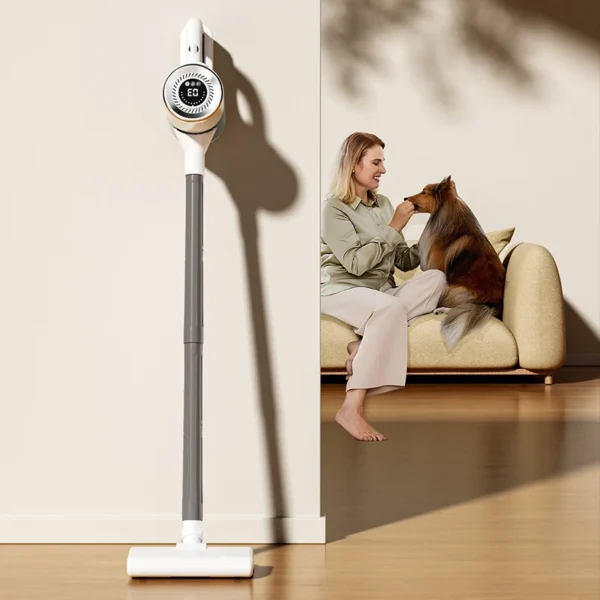
Tools: Floor cleaner machine (for handling sudden spills) + robot vacuum (for daily maintenance).
Strategy: Delegate floor cleaning to the machines; you focus solely on countertops and surfaces.
Core Principle: Lower your standards for “perfect tidiness”; aiming for a “60% clean” level ensures you don’t get exhausted.
🧓 Seniors / Those with Limited Physical Strength
Tools: Long-handled tools (to avoid bending over), seated washboards, adjustable-height drying racks.
Strategy: Break tasks into time blocks—work for 15 minutes, then rest for 5 minutes.
Core Principle: Outsourcing is also a form of labor-saving—hiring a cleaner, using a dishwasher, or using a clothes dryer are all extensions of your tools.
A Final Note
The core of effortless cleaning is never about “finding a magic trick that lets you do no work at all,” but rather about minimizing the “unavoidable chores” and breaking down the “recurring tasks” into the smallest possible steps.
Remember these 6 keywords:
Micro-habits → Return items to their place → Use the right tools → Correct sequence → Allow products time to work → Optimize your movement paths.
Starting today, pick just one of these points to put into practice. For example: Today, simply designate a specific tray in your entryway for your keys and face masks. You’ll discover that housework really doesn’t have to be so exhausting.
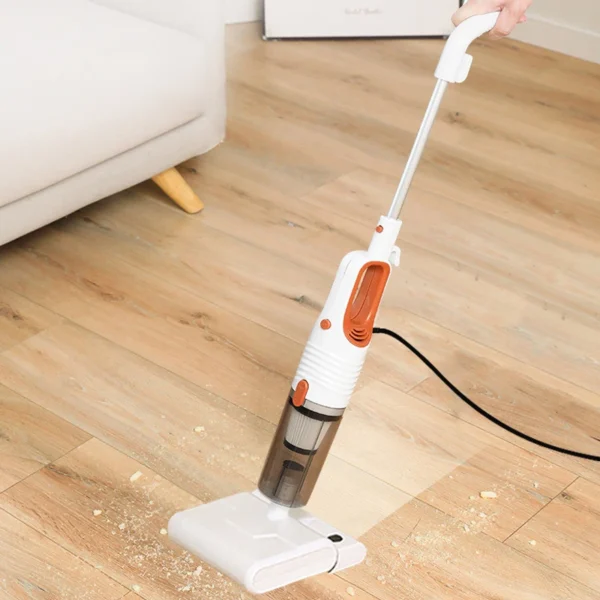
Recommended Related Tools:5 in 1 Electric Cleaning Brush | USB Rechargeable Home Scrubber
High Temp Handheld Steam Cleaner for Kitchen Hood & Car – 220V – ZenYoZen-trade